
Wicked Truths: How Elphaba’s Story Exposes the Pet-to-Threat Cycle for Women of Color

As I watched Wicked for Good, I was reminded of so many themes I’ve seen play out for women of color in the workplace. This is the first blog in a series where I’ll explore moments from the film and the real-life experiences of Black and Brown women navigating workplaces that were never designed with us in mind.
One theme stood out immediately:

Elphaba’s entire storyline mirrors the Pet-to-Threat theory, originally coined by Kecia M. Thomas, PhD, and further expanded by scholars examining the experiences of Black women in leadership.
And when you watch the film through that lens, everything clicks.
The Honeymoon: Elphaba as “The Pet”
When Elphaba first meets the Wizard at the end of Part One, it’s a textbook honeymoon moment. He is dazzled by her brilliance and praises her talent. He treats her as someone special, chosen.
Madam Morrible echoes this energy, seeing Elphaba’s magic not as something to honor, but as something to use. They want to extract her magic (literally and figuratively) for their own gain. Because neither Morrible nor the Wizard possesses Elphaba’s gifts, they see her as the missing piece to their success.
This is the essence of the “pet” phase: Admired, elevated, praised…but only as long as your brilliance remains useful and controllable.
I see this play out constantly with women of color.
The red carpet is rolled out. Everyone’s excited to have “a strong woman of color” join the team. But underneath the welcome is a quiet expectation: Stay grateful. Stay agreeable. Stay manageable.
You’ll hear things like:
“We’re excited to see how you fit into our culture.”
“Just remember, we really value harmony here.”
“We brought you in because you’re passionate — just be careful not to ruffle feathers.”
It’s foreshadowing for what's to come.
Reality Sets In: Naming Harm Breaks the Spell
For Elphaba, the shift happens quickly.
She realizes the Wizard and Madame Morrible are oppressing the Animals. She discovers they used her own magic to create the flying monkeys without her consent.
And as soon as she names it, the honeymoon ends.
She rejects the system. She refuses complicity. She invites Glinda to walk away from the harm with her, but like many white women, Glinda chooses to stay inside the system, thinking that Elphaba was making a rash or dramatic choice.
And this is where the Pet-to-Threat cycle kicks in.
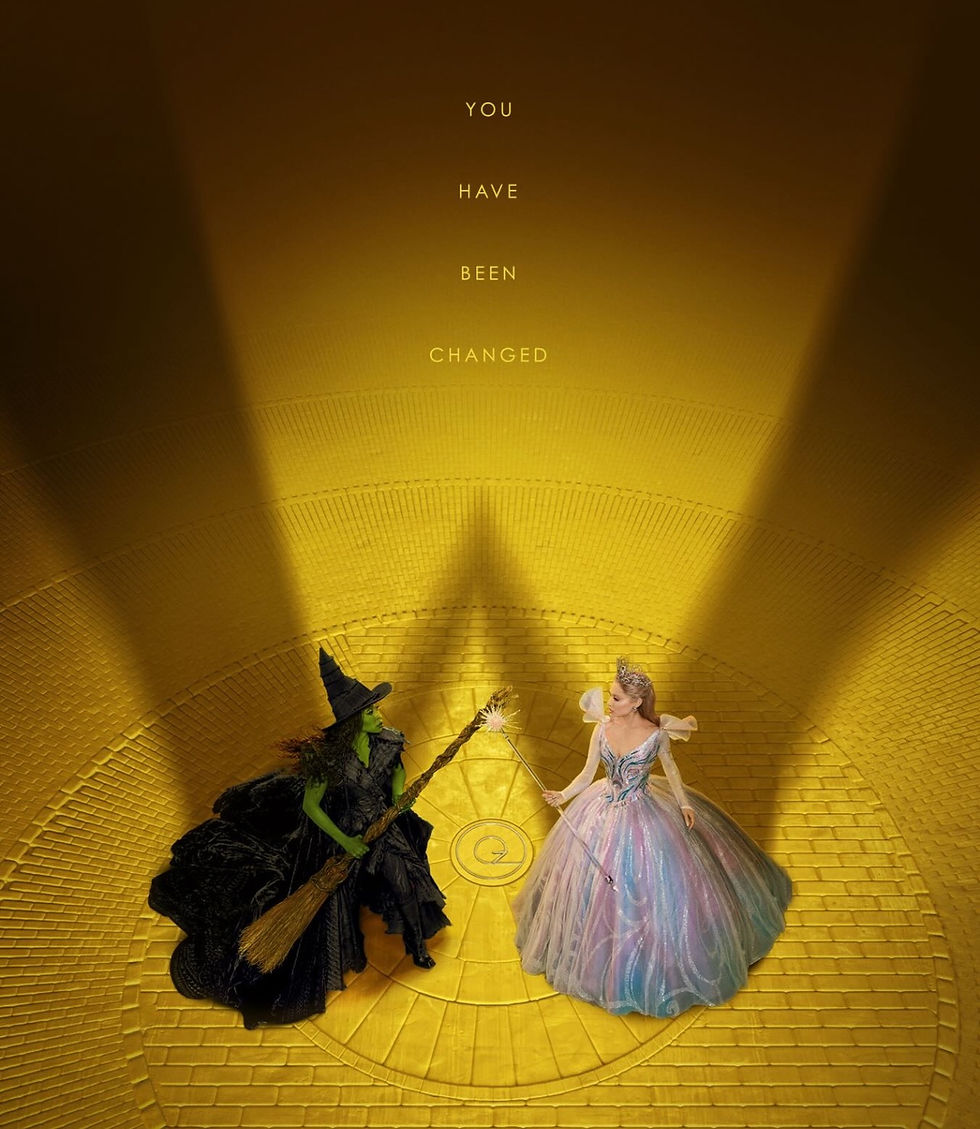
From Pet to Problem to Threat
In real workplaces, when women of color begin calling out inequity, bias, or harmful decisions, the reaction is almost identical:
They’re ignored.
They’re gaslit.
Their concerns are minimized.
They’re told, “This is not the time.”
Their tone is dissected.
Their “fit” is questioned.
In Wicked for Good, Madam Morrible and the Wizard move instantly into retaliation:
They blame Elphaba. They distort her intentions. They weaponize the narrative to turn her into the villain.
They exaggerate. They lie. They paint her integrity as a danger.
Sound familiar?
Many women of color go from being the organization’s “favorite hire” to being framed as “difficult,” “angry,” “not collaborative,” or “not aligned with the culture.”
Not because anything changed in them, but because they stopped complying with a system that required their silence.
The Wicked Truth
Elphaba never becomes wicked. She becomes inconvenient.
And that’s the reality for so many women of color:
The moment we prioritize truth over harmony, values over politics, and justice over compliance, we’re cast as a threat.
And yet, that is the moment we are most powerful.

This is the brilliance of Wicked: The villain origin story is actually a liberation story.
Elphaba chooses integrity over acceptance.
Power over permission.
Alignment over approval.
And here’s the twist Wicked never got to show fully:
Women of color shouldn’t have to become threats to be free. We deserve workplaces where our power isn’t feared, it’s valued.
At ShiftED Consulting, that’s the future we’re building.
Through values-based coaching, strategy, and healing-centered leadership development, we support women of color navigating this exact cycle — helping them reclaim alignment, rebuild confidence, and define success on their own terms.
Ready to break the cycle?
If you’re tired of being the pet or the threat and want to step into roles that honor your power:
Or bring leadership development to your team so women of color can thrive without limits.
You deserve a workplace where your magic isn’t feared.
It’s celebrated.


Comments